
FAQ's
Exactly.

Now that most of my book tour is in my rearview mirror, I have had a chance to sort through my thoughts about it. One thing that stood out was the consistency of questions across the twenty-two cities I visited, so I’ve compiled some of them here.

Why write a memoir (ever) (now)? I suppose one answer is “why not?” But it’s a legitimate question. Why would I veer away from my usual (reported nonfiction) to write a memoir (not my usual lane)? I had a multi-prong answer. One, The Orchid Thief had just had its twenty-fifth anniversary, and that seemed like such a monumental chunk of time that it made me want to reflect back on all that had transpired in that quarter-century (and beyond). Add to that the fact that I was toying with the idea of writing a book about writing, and that morphed into a book about why I do the kind of writing I do, and that morphed into a book about who I am and how I came to do what I do, and then, bingo, it was a memoir. So the whole project evolved kind of organically and almost unexpectedly. I’m still a little surprised I wrote a memoir.
With the advent of AI and the general collapse of publishing, could someone have the same career as you’ve had if they started today? Ouch, this is a hard one. The raw fact is that many of the stepping stones I used to get to where I am have crumbled. I started at alternative newsweeklies, and they are almost all gone. Many of the magazines I wrote for as a youngster are gone. The magazines that have survived have shrunk. The Sunday magazine supplements of newspapers, which used to be such a good place to write long reported pieces, have vanished. The advice I used to give—work for a newsweekly, or move to a smaller city and get a job at the local paper—is about as useful as suggesting that you work in a buggy-whip factory. But the stubborn optimist in me prevails. I think there remains a powerful urge to consume stories; it’s just that how and where that happens has changed. Magazines have diminished, but they now all have websites that allow a lot more material to be published. Alternative newsweeklies are gone but Substack and other self-publishing platforms exist. Podcasts are a thing. I’m not sure exactly what path I would take if I were starting today, but I refuse to believe no path exists; it just looks a lot different.
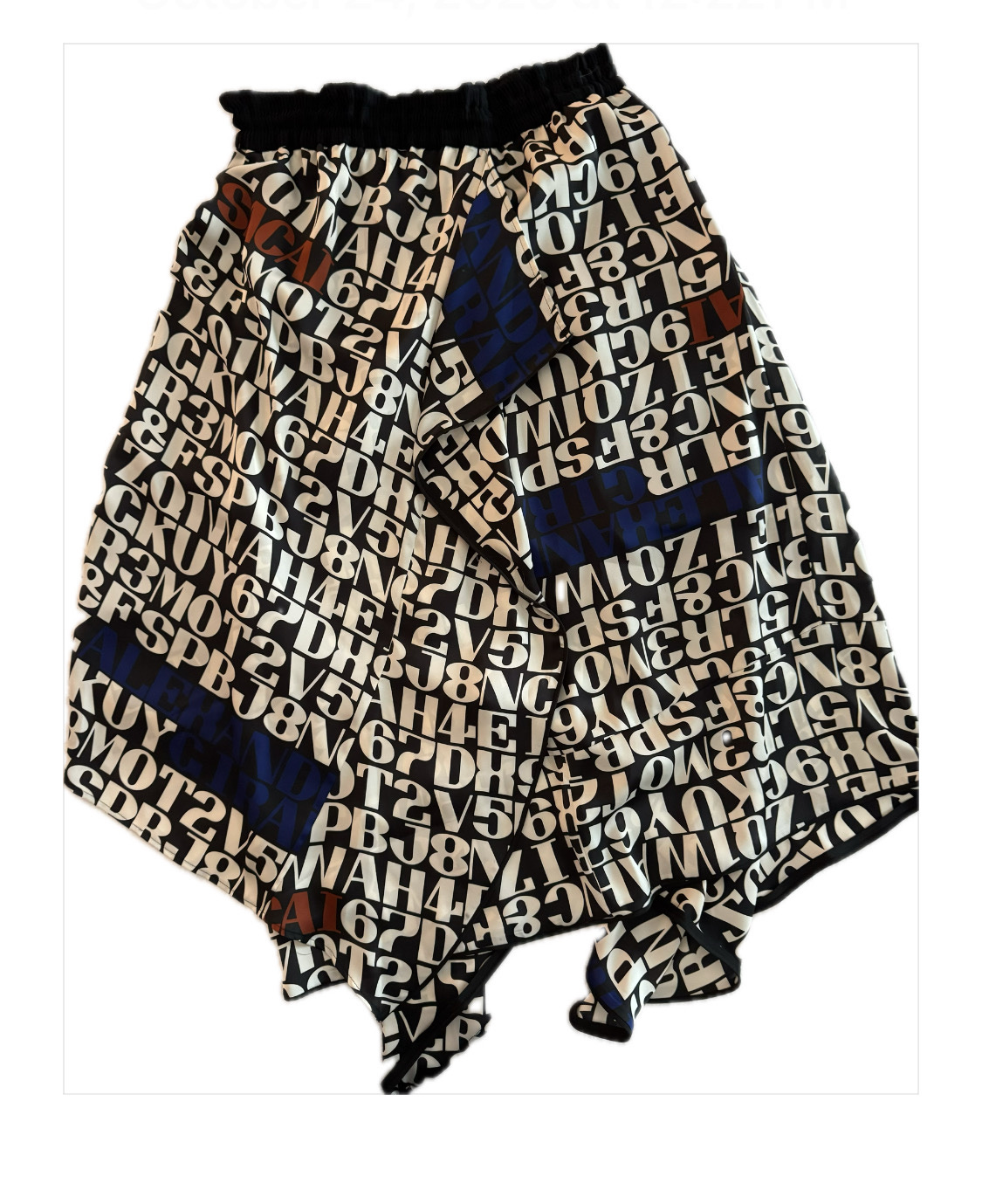
Who made your skirt? Sacai. It’s several years old but maybe you could find it on TheRealReal or eBay?
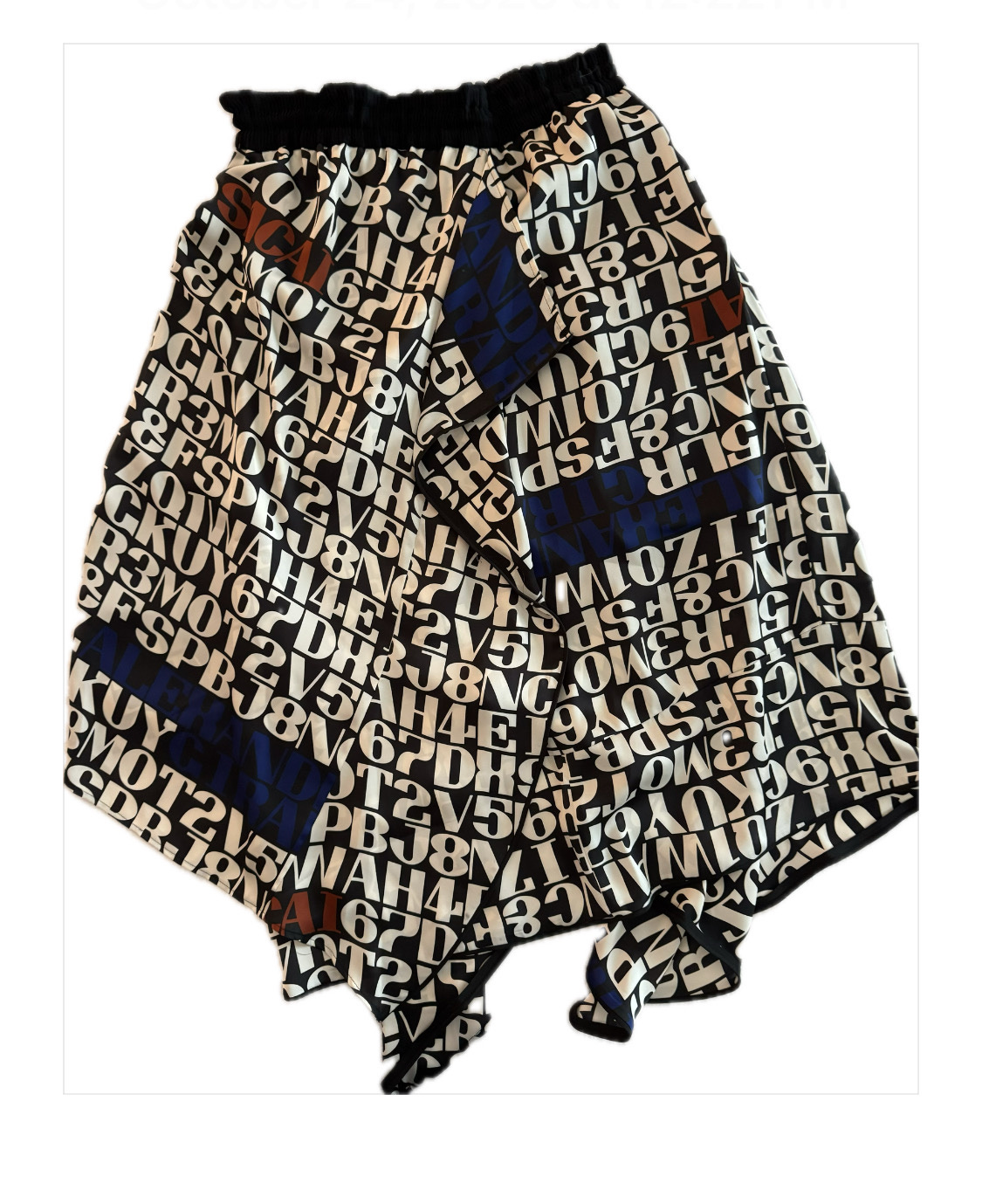
4. “My uncle/dentist/sister/self has an amazing life and I really think it would make a great memoir! Should I/he/she write it?” Sure! Why not? Will it get published? Ah, hard to say. Memoirs are either glimpses into the lives of people you already know (reality TV stars, failed politicians) or people who have experienced something dramatic in their lives. Every now and then, a quieter sort of memoir will worm its way into view. If you have a story you really want to tell, write it to get it out of your system, and then explore the publishing world’s appetite for it. Maybe your memoir will click. Maybe it will remain a more private exercise, and then you can consider self-publishing, which is miraculously easy these days. Maybe you just feel good having written it and that’s sufficient. Just don’t write it expecting the skies to part; write it because you have a story you want to put down on paper.
More questions to come—I got a lot of ‘em.
SHOW NOTES
—Oh boy, you really need to watch “Families Like Ours” on Netflix. We just finished the whole series and it is really good. Did I already blabber about this? It’s a Danish show about a near future situation in which climate change has made the country of Denmark uninhabitable and everyone has to leave. It focuses on one extended family and how they cope with the upheaval. So good.
—I’m reading The Falls by Joyce Carol Oates. I always forget how great a writer she is until I’m swept up in one of her books and am stunned by it. We’d appreciate her more if she weren’t so prolific, I swear. Anyway, this one’s great so far.
—Speaking of Sacai, I was beginning to despair that Chitose Abe had used up all her ideas, because the last few seasons have looked too similar. But I’m really digging the Spring ‘26 stuff I’ve seen so far and now I’m just figuring out what I want to zero in on.
—As soon as my NatGeo story comes out I’ll be at liberty to share more of my photos from Africa (they asked me to hold off, so I’m respecting that). All I can say is WOW. I had an amazing experience, and hung out with some very cool animals. Also, the Kenyan people are exceptionally nice and gracious and lovely. Oh, I want to go back so badly!!
Much more to come. Hope everyone survived the winter storms. Oh, yeah, it was 84 in Los Angeles the other day. Don’t hate me. xSusan
It’s amazing to see what the Sheldrick Foundation is doing. One of the most moving aspects is when the now wild orphan elephants come back to visit - especially the grown up females bringing their new babies. Glad you enjoyed Kenya - it’s a special place.
As for the writing a memoir -- yes, yes, a thousand times yes! Whether a publisher likes it or not, it will become absolutely priceless to any descendants you or this person may have. Not to mention future historians -- as one, I can tell you we love nothing better than to find a lesser-known or even unknown person who wrote down their life story -- it's as close to interviewing someone across the centuries as you can get. And I not only speak from professional experience but personal -- somehow my family managed to hang onto letters and other writings by my great-grandfather, and as a result, he and other family members spring to life -- not only are the tales of their adventures amazing (escaping Russia in 1917 via Siberia, working as missionaries in India, etc.) but you get the jokes, the likes and dislikes, the little things that make a person come to life.
And while there are other ways of recording family histories, that which is written triumphs over all the other media that change with the technological winds: cassettes, CDs, DVDs, videotapes, etc.
When I taught my class on the History of Women in the United States and Great Britain, the favored paper option was to write up the life of a "woman you know and admire" -- I got a lot of grandmothers, and the authors had something which, unlike most college terms papers, were worth keeping, to share with one's own children and grandchildren.